JNM journalist Hardeep Jamwal, Jammu
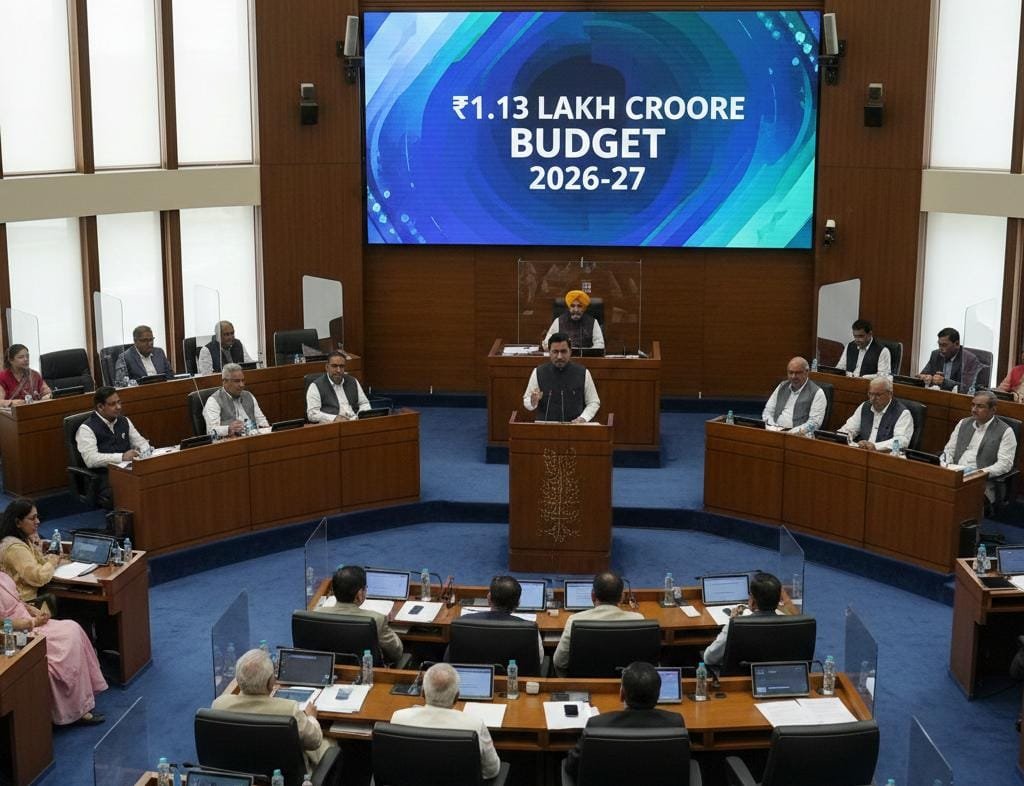
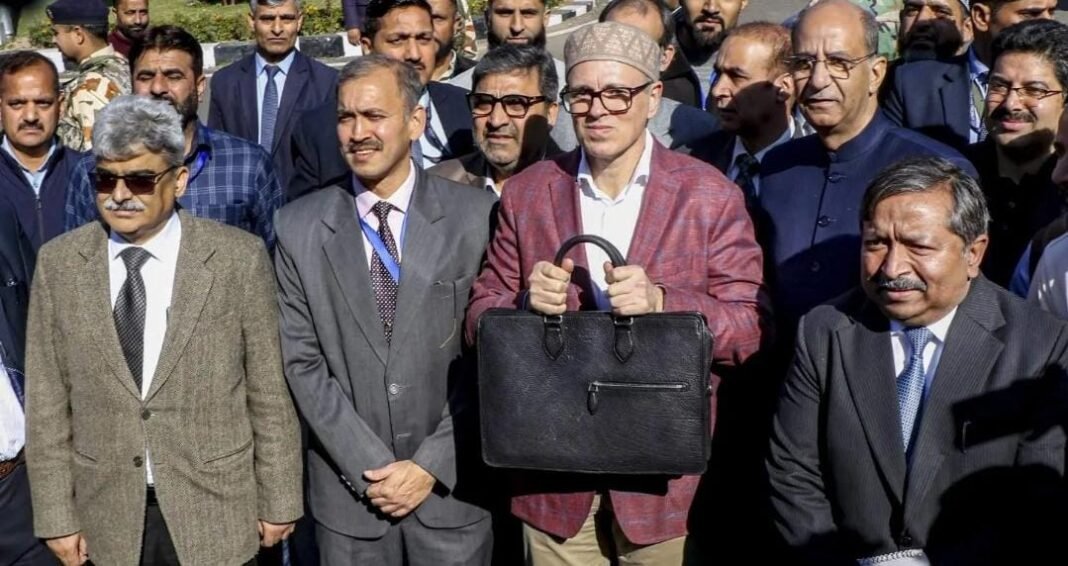
An analysis of the latest budget data presented by the Jammu and Kashmir government reveals that central government assistance and centrally sponsored schemes contribute significantly to this budget. Many of the major schemes featured in the budget are actually operating under the central government’s framework, but have been incorporated into the state’s budget document.
According to the data, Jammu and Kashmir receives ₹42,752 crore in central assistance and approximately ₹13,400 crore in centrally sponsored schemes (CSS). These schemes, including the Pradhan Mantri Awas Yojana, Ayushman Bharat, AIIMS Kashmir, e-bus services, health infrastructure, digital services, and education, are largely driven by the central government at the policy, funding, and direction levels.
In contrast, the state appears to have a limited number of independent schemes of its own. Only a few schemes in the budget, like the Migrant Flats Scheme, can be seen as fully aligned with local needs. Most other schemes are being implemented under centrally determined priorities and conditions.
Based on these facts, it would not be wrong to say that approximately 70 percent of Jammu and Kashmir’s budget is directly or indirectly linked to the central government. The question is not whether central assistance is wrong, but rather how strongly the state’s own schemes and financial self-reliance are reflected in the budget.