JNM journalist Hardeep Jamwal, Jammu
The Indian government has finalized a detailed outline for the country’s next census. This census, scheduled for 2027, will be the first digital census, with data collection using modern technology and mobile apps.
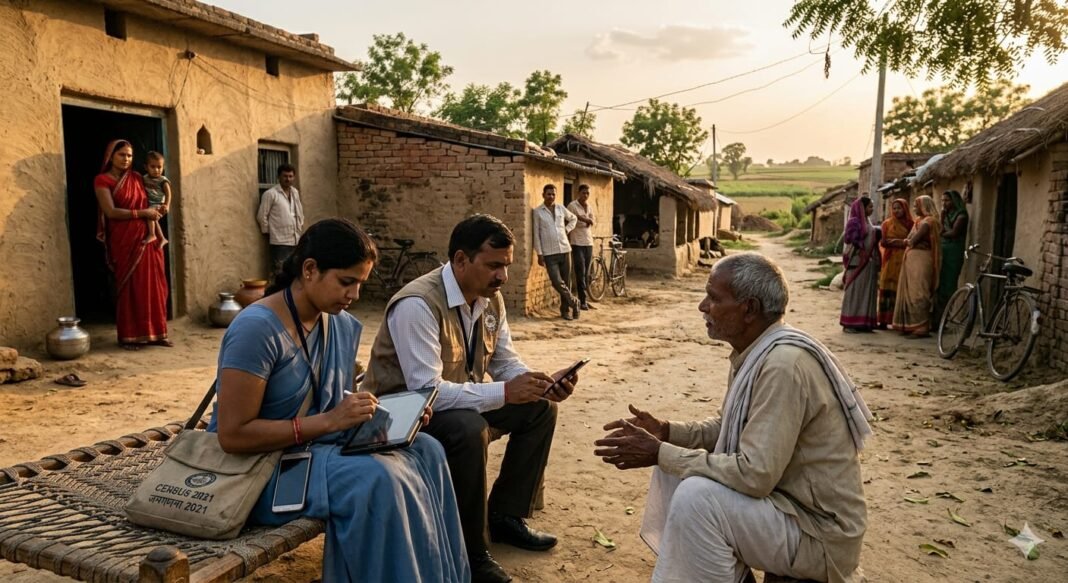
According to the government, the census process will be completed in two phases. The first phase will be “house-listing,” which will collect information about every household, building, and related infrastructure in the country. This phase will include recording whether the house is residential or commercial, the number of rooms, the availability of water and electricity, whether there is a toilet, and other aspects of the family’s lifestyle. This phase will begin in 2026 and continue for several months.
The second phase will be the “Population Enumeration,” which will be conducted in 2027. Information related to each individual will be collected, such as name, age, gender, education, marital status, employment, migration, and other socio-economic details. This year, the census will also include new technology-related questions, such as mobile and internet usage.
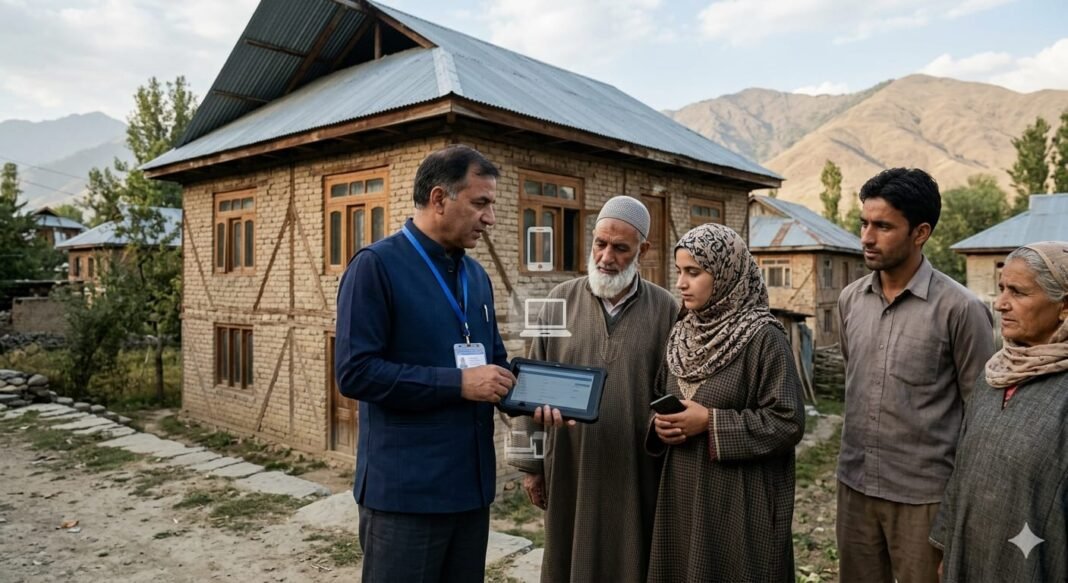
The most significant feature of this census is its digital format. Enumerators will enter data directly through a mobile app, virtually eliminating paperwork. This will not only save time but also increase data accuracy and transparency. Furthermore, people will be given the option to enter their information online. A unique ID will be created for each family and individual, ensuring data is systematically and securely stored.
The new system will also include features like GPS mapping and real-time monitoring to ensure that no area is missed. Officials will be able to quickly monitor the data and make corrections if necessary.
The importance of the census goes beyond simply counting the population. It is considered the cornerstone of a country’s development. Based on this data, the government formulates various plans, allocates resources, and determines constituencies. Census data also plays a key role in reservations for Scheduled Castes and Scheduled Tribes and other policy decisions.
However, the digital census also faces some challenges. Lack of internet connectivity in remote and hilly areas can be a major problem. Furthermore, digital training of enumerators and public awareness will be essential. To address these challenges, the government plans to facilitate offline data collection and develop extensive training programs.
Overall, the 2027 Census will bring about a major change in the way India collects and manages data. It will not only make administrative work more efficient but will also mark a significant step forward for the country in the digital age.