JNM journalist Hardeep Jamwal, Jammu
After nearly 40 days of fierce conflict in the Middle East, the world felt a brief respite when a ceasefire was announced between the US and Iran. But this relief was short-lived. Within just 24 hours, the situation appears to have deteriorated again, and the region is once again teetering on the brink of a major war.
The biggest blow came when the US completely rejected Iran’s 10-point peace proposal. The US administration strongly stated that the proposal was unacceptable. This clearly indicated that the US is in no mood to back down from its stance and is openly supporting its ally, Israel.
Meanwhile, Israel has intensified its attacks in Lebanon, citing flaws in the ceasefire terms. Israel says that Lebanon is not mentioned in the ceasefire agreement, and therefore military action will continue there. According to reports, more than 100 people have died in these attacks, further escalating the situation.
On the other hand, Iran has reacted strongly to this situation. Iran has clearly warned that if the attacks on Lebanon do not stop, the ceasefire will be considered completely over. It also warned the US and Israel that “the ball is in their court,” meaning that the future course of action will depend on their actions.
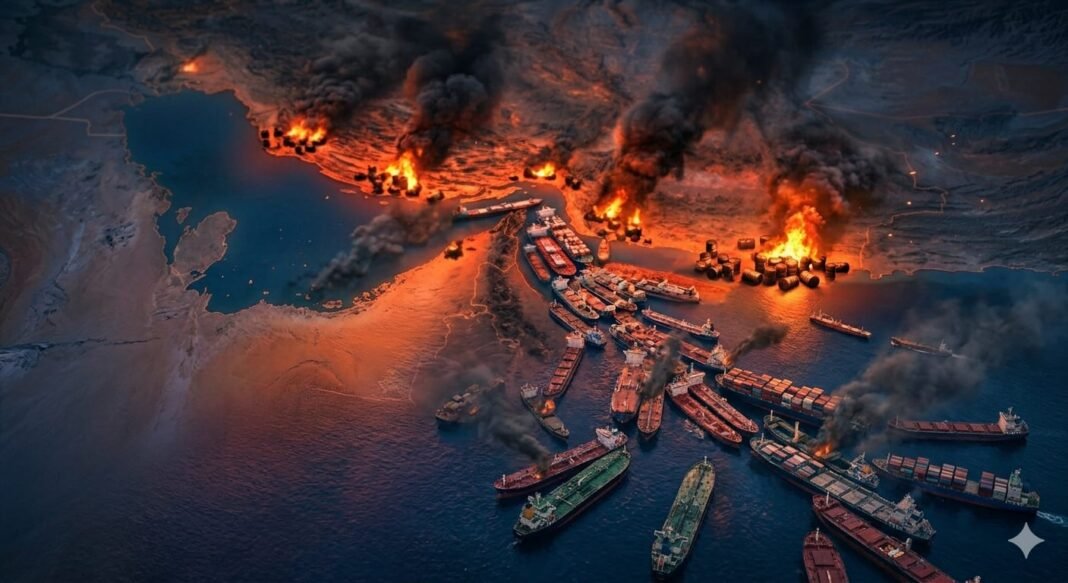
Experts believe that if this ceasefire completely breaks down, its impact will not be limited to the Middle East. In particular, it could have a major impact on oil supplies passing through the Strait of Hormuz. This could lead to a sharp rise in global petrol and diesel prices, directly impacting the economies of many countries, including India.
Overall, the weakening of the ceasefire within 24 hours shows that peace in the Middle East is still a long way off. If a diplomatic solution is not found soon, this conflict could escalate into a major regional war.