JNM Journalist Hardeep Jamwal, Jammu
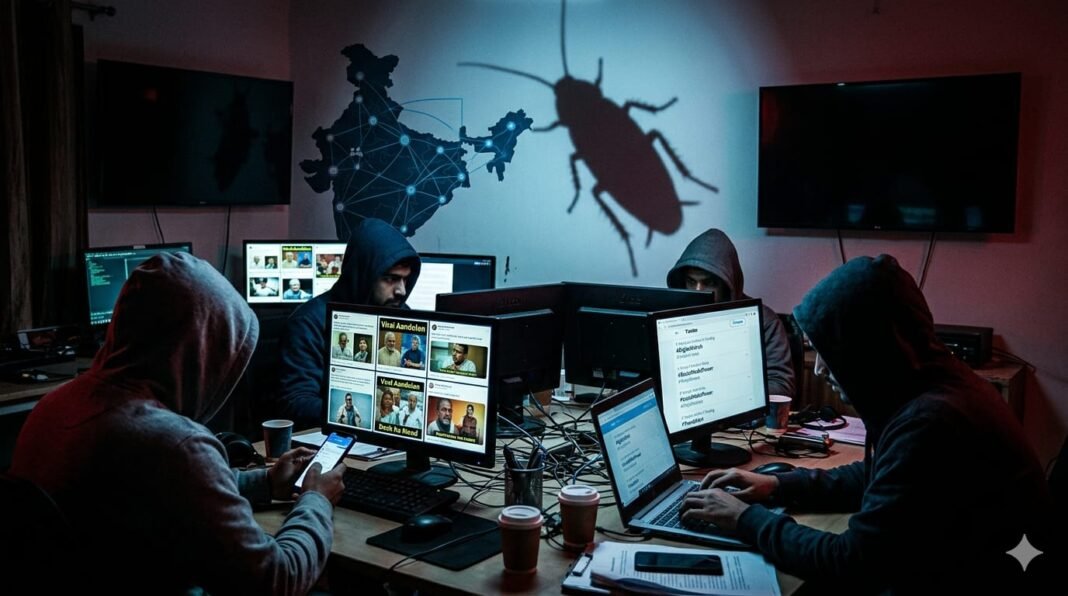
In the realms of national politics and social media, a name has been going viral rapidly these days—the “Cockroach Janata Party,” or CJP. While some describe it as the voice of the youth, others view it as a form of digital satire directed against the system; meanwhile, questions regarding it have also begun to surface within various political circles.
But what exactly is this “Cockroach Party”? How did it originate? Who are the people behind it? Is it merely a meme, or is it part of a larger digital narrative? In this special report by JNM, we have endeavored to get to the bottom of this entire trend.
How Did It Begin?
According to media reports and social media tracking, the “Cockroach Janata Party” began to appear suddenly across social media platforms around May 2026. It is reported that the movement was sparked by an alleged judicial observation in which unemployed youth were likened to—or associated with—terms such as “cockroaches.” In an act of protest and satire against this remark, a group of young people adopted this very term as their “identity.”
Gradually, accounts bearing the name “Cockroach Janata Party” began to spring up across Instagram, X (formerly Twitter), and other platforms. Within just a few days, claims began to emerge that its follower count had soared into the tens of millions.
From Meme to “Digital Movement”
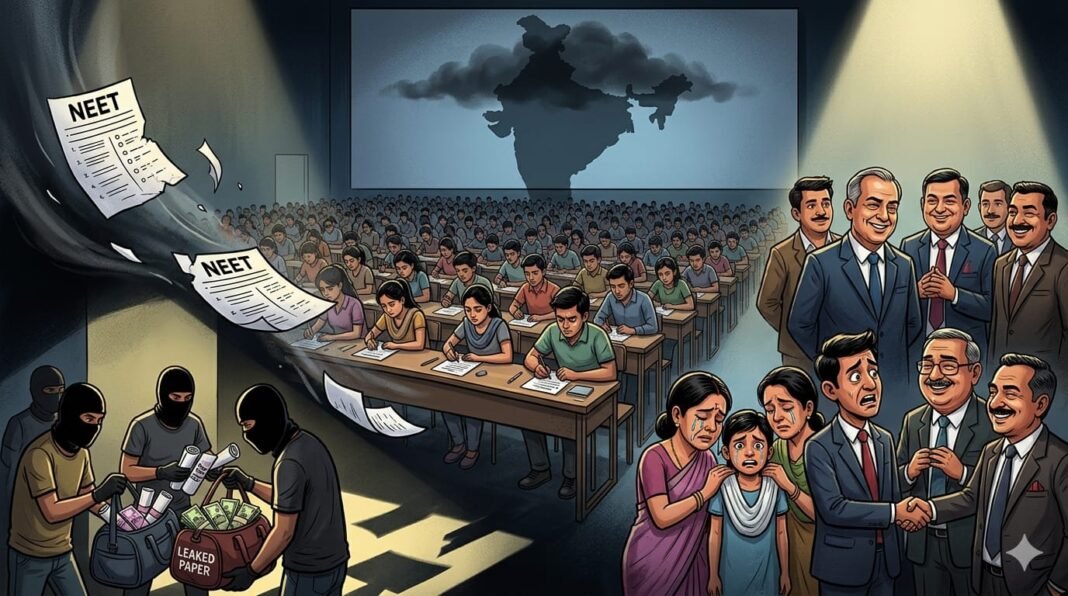
Initially, the phenomenon appeared to be entirely a product of satire and meme culture. Posts addressed issues such as unemployment, paper leaks, systemic failures, corruption, and the disillusionment of the youth—doing so in a tone that was simultaneously humorous and aggressive.
The primary reason cited for its immense popularity among the youth is its ability to transform “anger into a meme.” Many social media experts have even dubbed it the “Gen-Z Digital Protest Model.”
Subsequently, this trend began to evolve, gradually taking on the form of a “digital party.” An alleged manifesto was released, a website was created, and satirical posts targeting several major political parties began going viral.
Who is behind this?
Several reports have identified Abhijeet Deepke as the name behind this phenomenon; he is being described as the leading face of this entire digital trend. Some media outlets have even referred to him as its “founder.”
However, it is important to clarify here that the “Cockroach Janata Party” is not registered with the Election Commission as a recognized political party. As of now, it appears to be primarily a social media-based campaign or a satirical digital movement.
Are there political forces behind this?
This is where the controversy begins.
Some supporters of the opposition describe it as a spontaneous voice of the youth, while many political leaders have raised questions regarding it. West Bengal BJP President Sukanta Majumdar claimed that many of its social media followers could have links to Pakistan. However, these claims have not been independently verified.
On the other hand, some social media accounts have alleged that this trend might have ties to specific political ideologies or parties. Yet, no official or authenticated evidence has emerged so far to prove the direct involvement of any specific party.
In other words, it would be premature at this stage to assert that a single political organization is operating behind this initiative. However, given its rapidly growing digital influence, it is certainly plausible that various political and ideological groups might attempt to steer it in directions that serve their own respective agendas.
Is this merely a joke, or a new digital weapon?
Experts believe that contemporary politics is no longer confined solely to rallies and posters. Memes, trending topics, and viral content have now evolved into “digital weapons.”
The “Cockroach Janata Party” has demonstrated that if the grievances of the youth are articulated through satire and internet-centric language, they can quickly escalate into a national debate within a matter of days.
This is precisely why counter-movements—such as the “Oggy Janata Party” and other parody groups—have now begun to emerge in response. On social media, this unfolding scenario is being dubbed a “Meme War.” Account Bans, Trademarks, and Escalating Controversy
Following the surge of this trend, reports emerged regarding the temporary suspension of some of its associated social media accounts—followed by their subsequent reactivation—and even an application filed to trademark the name “Cockroach Janata Party.”
It was also alleged that attempts were made to hack its Instagram page, and that similar parody pages began springing up in Pakistan as well. However, these claims have not been officially corroborated at every level.
The Big Question: Why Exactly Are the Youth So Angry?
The most significant takeaway from this entire sequence of events is that this trend is not merely confined to the word “Cockroach.”
The real underlying issues are subjects such as unemployment, irregularities in recruitment examinations, paper leaks, growing disillusionment, and a deep-seated distrust of the system. Millions of young people appeared to gravitate toward this trend on social media because they perceived it as a potent blend of both their grievances and their satirical wit.
At present, the “Cockroach Janata Party” has evolved into something far more than just an official political party; it has become a symbol of the digital age. It represents a unique fusion of meme culture, youth outrage, and the sheer power of social media—a combination that has successfully sparked a nationwide conversation within a mere few days.
While there has been no confirmation thus far of any grand political conspiracy or foreign agenda driving this movement, the sheer speed with which this trend has spread has undeniably demonstrated one thing: in the times to come, social media-driven “digital politics” could exert a profound influence on Indian democracy.
It now remains to be seen whether this trend will simply fizzle out after a few days as a fleeting viral sensation, or if it will truly transform into a powerful, collective digital voice for the youth.