Hardeep Jamwal, JNM Journalist, Jammu
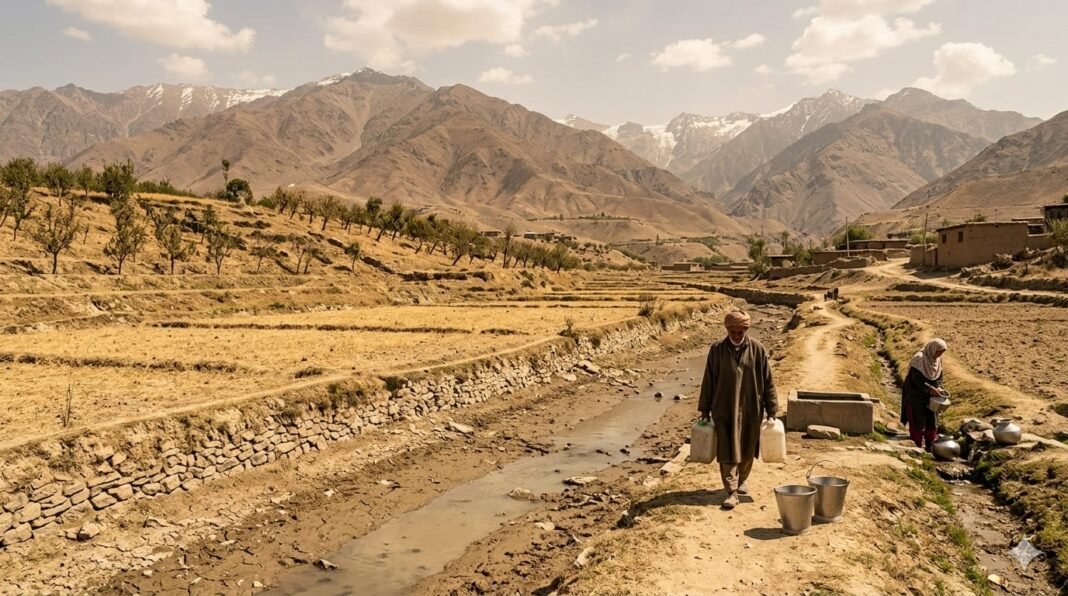
Jammu & Kashmir has been grappling with a rainfall deficit since the beginning of the year. According to the latest data from the Meteorological Department, the entire Union Territory recorded 42% less rainfall than normal between January and May 2026. In May alone, the region received just 49.4 mm of rain against a normal of 77.5 mm, marking a 36% shortfall. Most concerning is the fact that rainfall has remained consistently below normal every month since November 2025.
Rainfall Deficit Persists Month After Month
Meteorological Department data reveals rainfall deficits of 23% in January, 89% in February, 34% in March, 13% in April, and 36% in May. The massive 89% deficit recorded in February has severely impacted the annual average, making this particular figure a major cause for concern.
Shopian Hardest Hit in Kashmir
Among the districts in the Kashmir division, Shopian recorded the highest deficit at 83%, receiving only 13.5 mm of rain against a normal of 78.2 mm. Both Budgam and Kulgam recorded a 69% deficit. Other deficits included 56% in Anantnag, 43% in Srinagar, 42% in Pulwama, 39% in Bandipora, and 14% in Baramulla. However, rainfall levels in Ganderbal and Kupwara remained close to normal.
Ramban Lags Behind in Jammu Division
In the Jammu division, rainfall deficits were recorded as follows: 65% in Ramban, 57% in Kishtwar, 56% in Kathua, 55% in Jammu, and 53% in Reasi. Rajouri, Doda, Samba, and Udhampur also saw rainfall below normal levels. Poonch was the only district in this division to receive surplus rainfall, recording 122.8 mm against the normal 82.3 mm—an excess of 49 percent.
Impact on Glaciers
According to environmentalists, consistently low snowfall during winter is directly affecting glacier nourishment and seasonal snow reserves. This natural water storage system, which feeds rivers and streams during warmer months, is gradually weakening. Rising temperatures and reduced snowfall are combining to pose a serious threat to the region’s long-term water security.
Crisis Looming Over Hydropower and Agriculture
Experts state that if drought-like conditions persist through the end of the year, it will directly impact hydropower generation, irrigation networks, horticulture, agriculture, and the availability of drinking water. Groundwater recharge processes will also be affected. Experts have urged authorities to implement better water management and conservation measures, as well as long-term planning, to tackle the impending crisis in time.
Dire Situation in Ladakh
Kargil in Ladakh received 3.9 mm of rainfall against the normal 6.3 mm, marking a deficit of 38 percent. However, Leh recorded 2.1 mm of rainfall compared to the normal 1.5 mm. Overall, Ladakh saw a 7 percent rainfall deficit by the end of May. Experts have warned that if this trend continues, the water crisis across the region could intensify in the coming months.