Hardeep Jamwal, Journalist (Jammu)
Until now, the mere mention of Jammu & Kashmir would conjure up images of the Kashmir Valley, Dal Lake, and Gulmarg in the minds of most tourists. Jammu, on the other hand, was often viewed merely as a gateway to the Mata Vaishno Devi and Shri Amarnath pilgrimages. However, this perception is poised to change. Through the Tawi Riverfront project, Jammu is developing itself into a tourism hub that offers a unique blend of religious faith, modern tourism, culture, and entertainment.
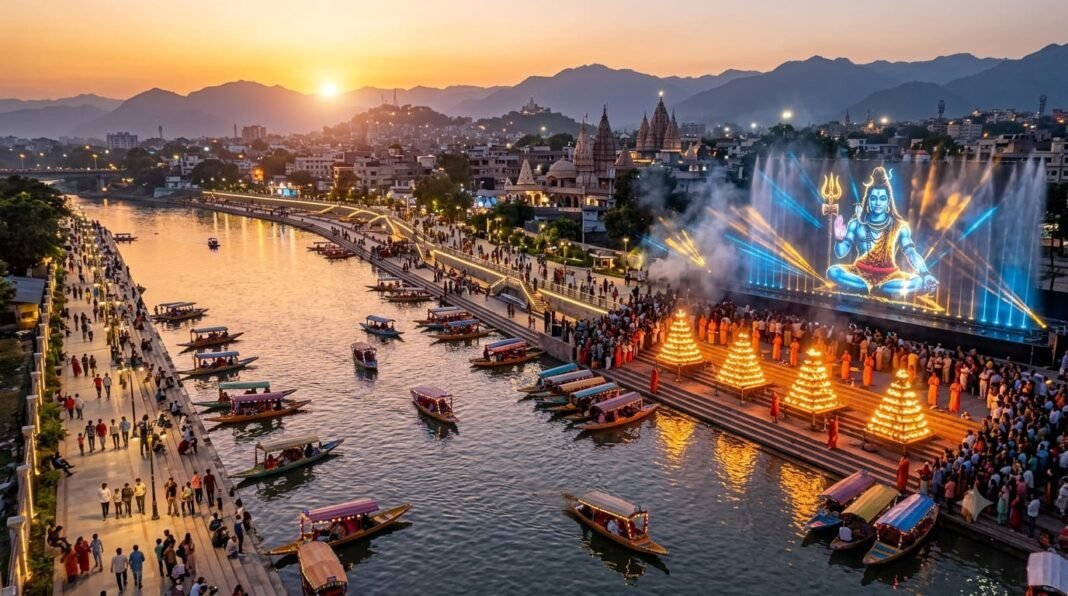
The riverfront developed along the banks of the Tawi River is set to become a major attraction not only for locals but also for tourists from across the country and abroad. Features such as the grand daily Maha Aarti, Shikara rides and boating, laser and sound shows, captivating lighting, walking tracks, and cultural performances will offer tourists a fresh experience. The administration believes this will significantly strengthen Jammu’s identity as a tourism destination.
Experts state that if the Tawi Riverfront project operates successfully, it will directly benefit Jammu’s hotel industry, taxi services, local markets, handicrafts sector, restaurants, and small-scale traders. It will also generate new employment opportunities for local youth and provide fresh momentum to the city’s economy.
The Tawi Riverfront has been designed to offer modern amenities alongside a religious and cultural atmosphere. The evening Maha Aarti, river boating, and laser shows will serve as special attractions for tourists. Additionally, the entire area has been adorned with attractive lighting, allowing tourists to spend time there even after dark.
The administration plans to ensure the Tawi Riverfront is not limited to specific religious events but remains open to tourists throughout the year. Future plans may include cultural programs, food festivals, musical evenings, river festivals, and other events, all of which will boost night tourism and family tourism in Jammu.
Tourism experts believe that Jammu holds immense potential for tourism. Apart from the Tawi River Front, numerous tourist attractions—such as Raghunath Temple, Bahu Fort, Bagh-e-Bahu, Mubarak Mandi Heritage Complex, Mansar and Surinsar Lakes, Patnitop, Sanasar, Shivkhori, Sudh Mahadev, Mantalai, Bhaderwah, Kishtwar, and Doda—have the potential to attract tourists from across the country and abroad.
Stakeholders in the tourism sector believe the time has come to present Jammu to the nation and the world not merely as a transit city, but as a standalone tourist destination. Achieving this will require sustained efforts towards better promotion, regular cultural events, improved transportation, cleanliness, and modern tourism amenities.
The Tawi River Front project is considered a significant step in this direction. If this model succeeds, Jammu could evolve into a major hub for cultural, heritage, river-based, and recreational tourism, alongside its existing status as a religious tourism destination. This would not only transform the city’s identity but also provide a major boost to Jammu’s economy, employment, and tourism industry.