JNM journalist Hardeep Jamwal, Jammu
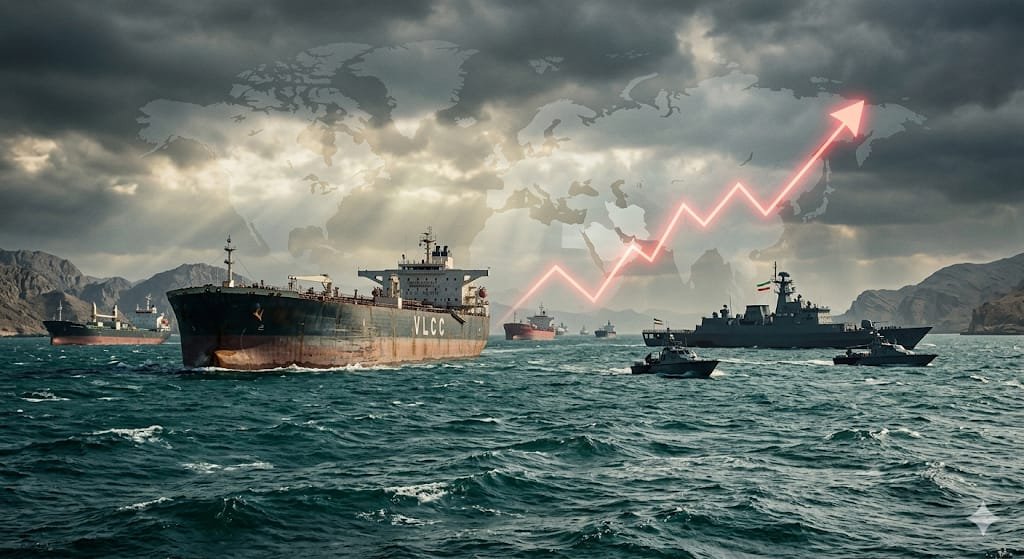
Renewed geopolitical tensions in the Middle East have raised concerns in the global energy market. International crude oil prices have surged after Iran threatened to halt negotiations with the US and close the strategically important Strait of Hormuz.
Crude oil prices surged by more than 7 percent on Monday. Experts say that if tensions in the region escalate further, oil prices could rise further, impacting economies worldwide.
The Strait of Hormuz is one of the world’s most important maritime oil routes. A large portion of oil exported from the Gulf countries passes through it. It is estimated that approximately one-fifth of global maritime oil trade passes through it. Any disruption to this route could disrupt the global supply chain.
This development could also impact countries like India, which rely heavily on crude oil imports to meet their energy needs. A continued rise in oil prices could lead to higher prices for petrol, diesel, and cooking gas. Furthermore, rising transportation costs could also put pressure on inflation.
Experts believe that the current situation is not limited to the oil market; its impact could reach global trade, industry, the aviation sector, and ordinary consumers. However, contact between the US and Iran has not completely ceased, and the possibility of dialogue through various channels remains.
Currently, the world’s attention is focused on developments in the Middle East. If tensions do not ease in the coming days, the global energy market could experience further instability, which could directly impact the pockets of ordinary people.